daily life in the loop
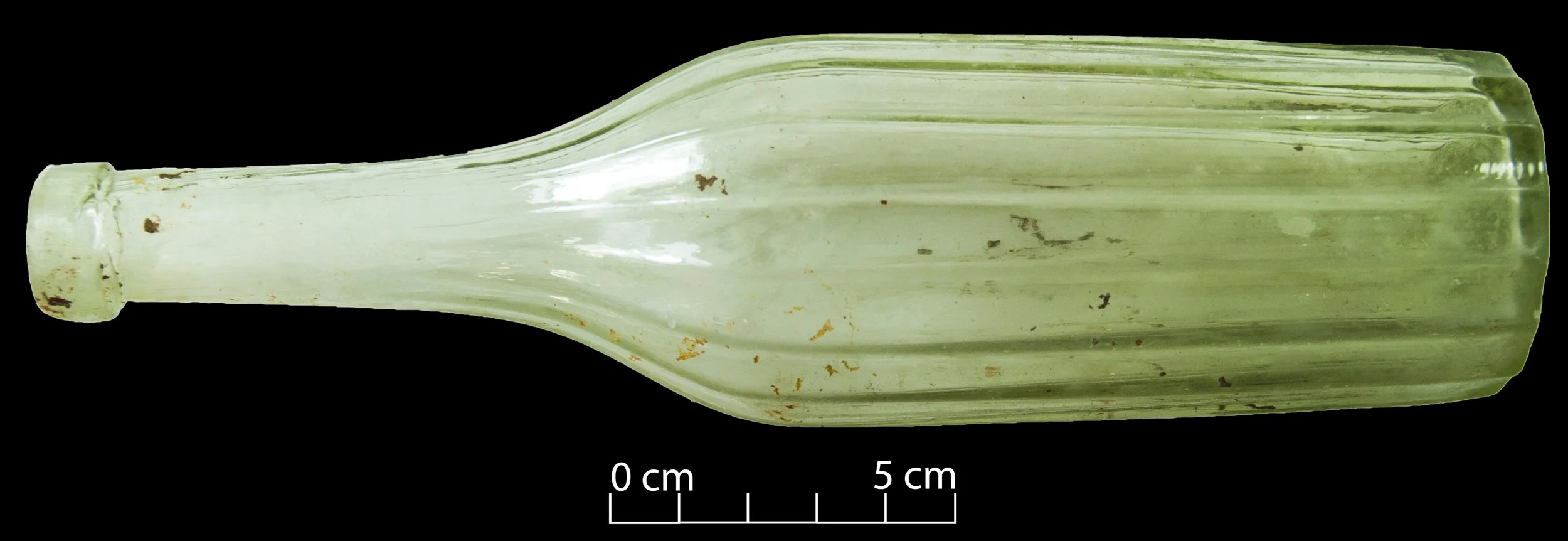
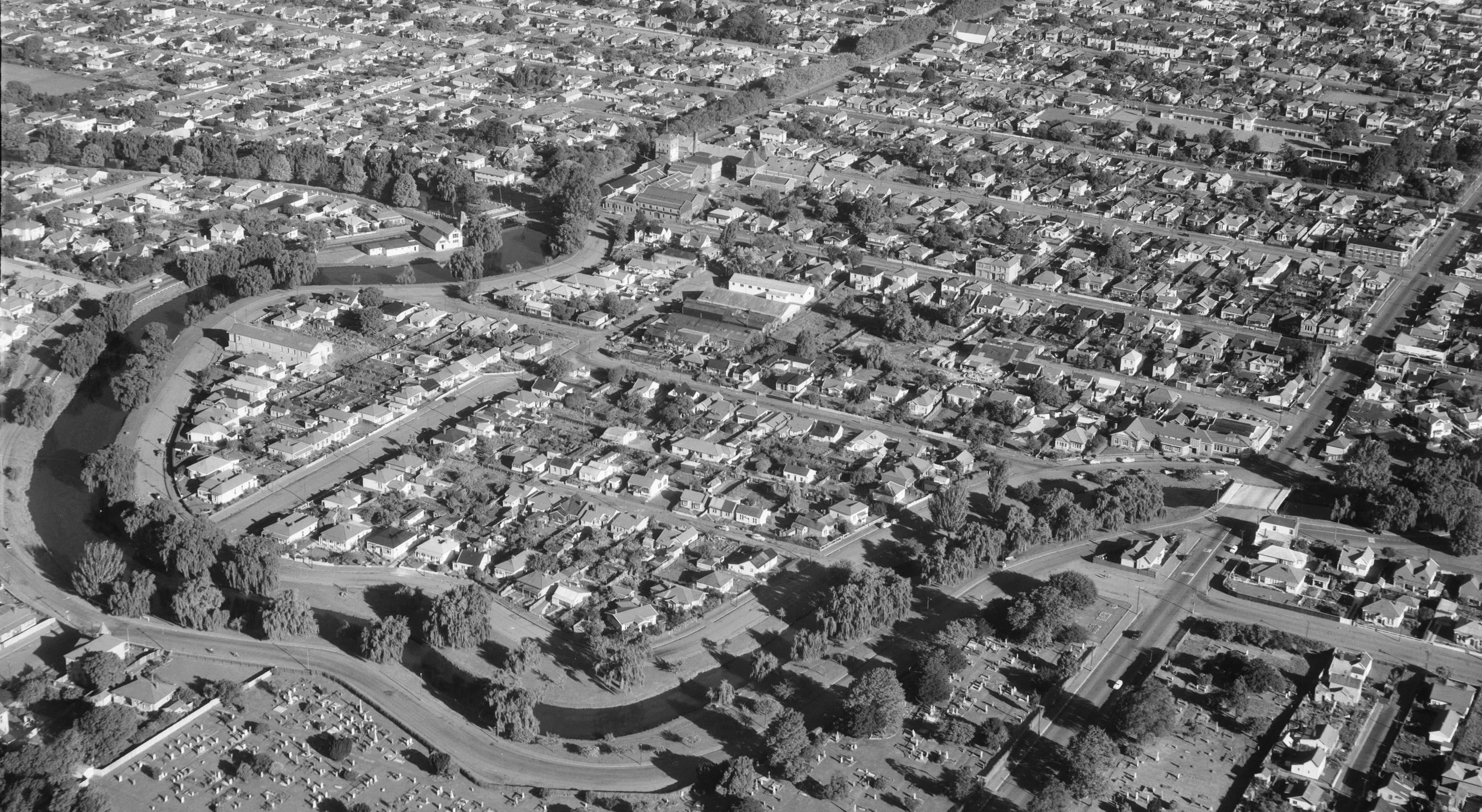
Avon loop residents frequently buried their rubbish in their gardens, as was normal in 19th century Christchurch. Some, however, just threw their rubbish under their house and plenty no doubt took the most convenient route and threw their rubbish in the river. This rubbish, now excavated by archaeologists, provides an insight into daily life in the loop.
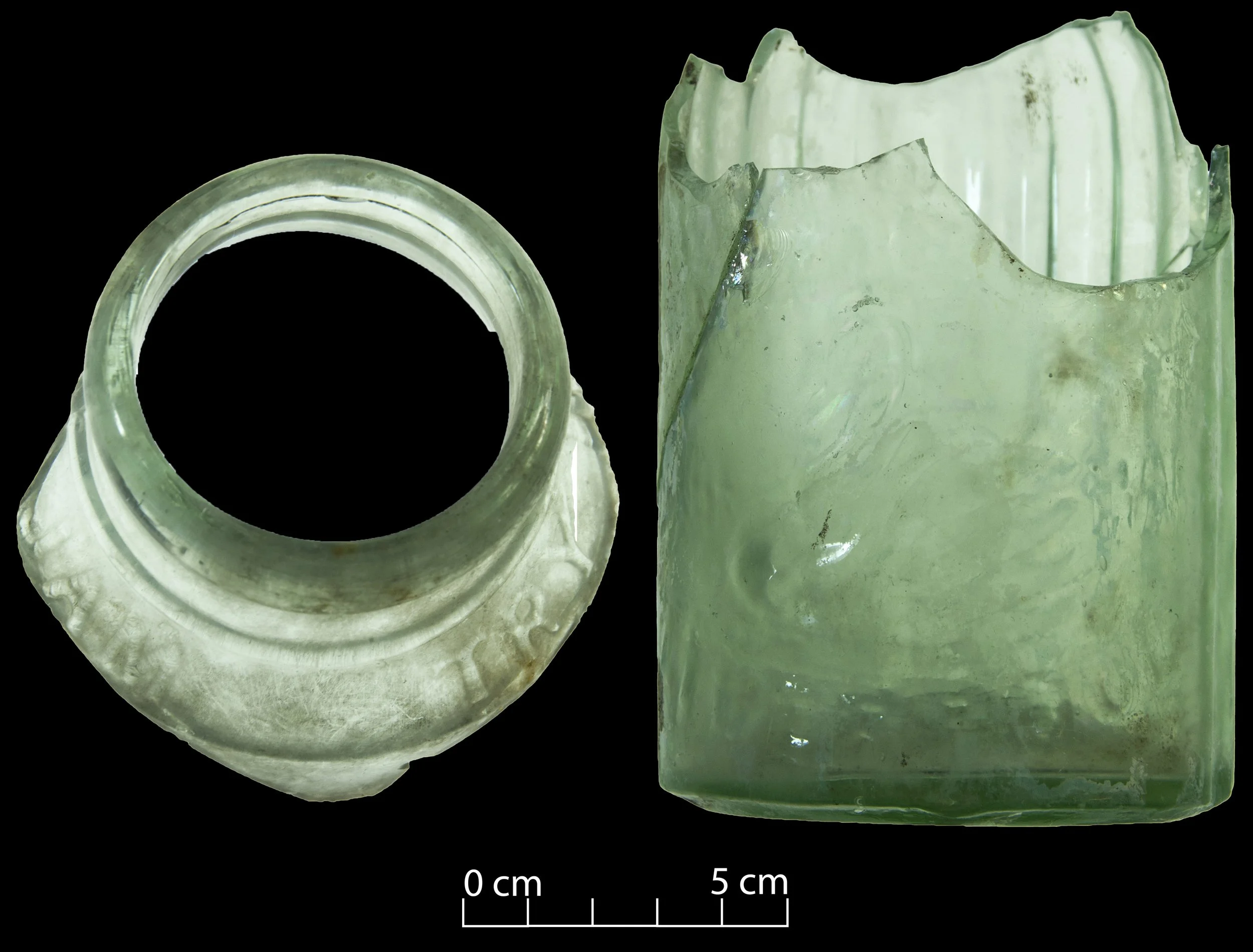
Mutton or lamb was the main meat for most families, although the Whitehead family were eating an unusual amount of shellfish. The Jensens' diet was also a bit unusual: they seem to have preferred lamb/mutton shanks over the more common leg of lamb/mutton. Maybe the Jensens favoured shanks as a way of saving money? Salad oil was a popular condiment, but Lea and Perrins Worcestershire sauce wasn't. Pickle jars were found at a number of houses - these might have contained jam, salt or pickles.
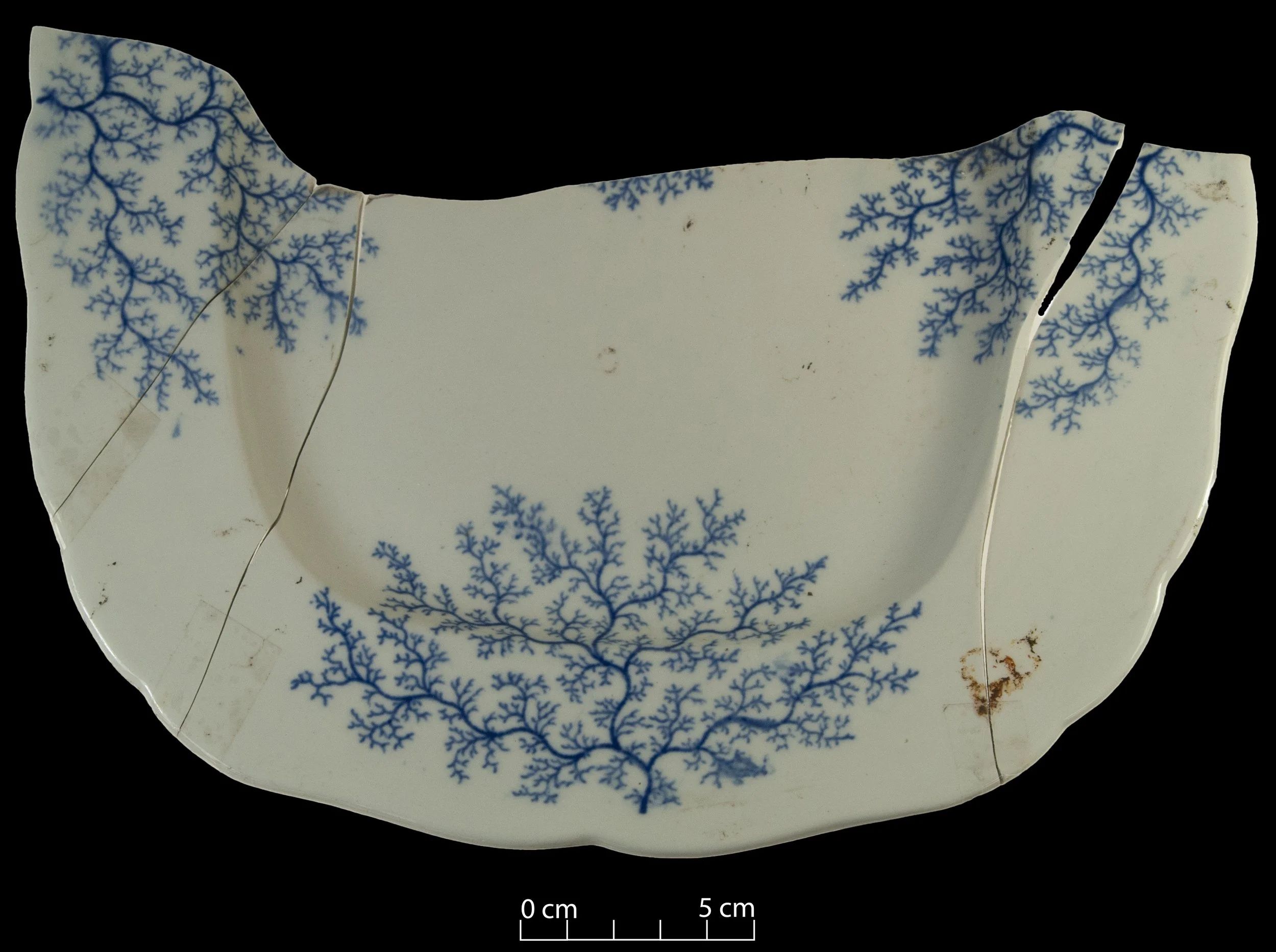
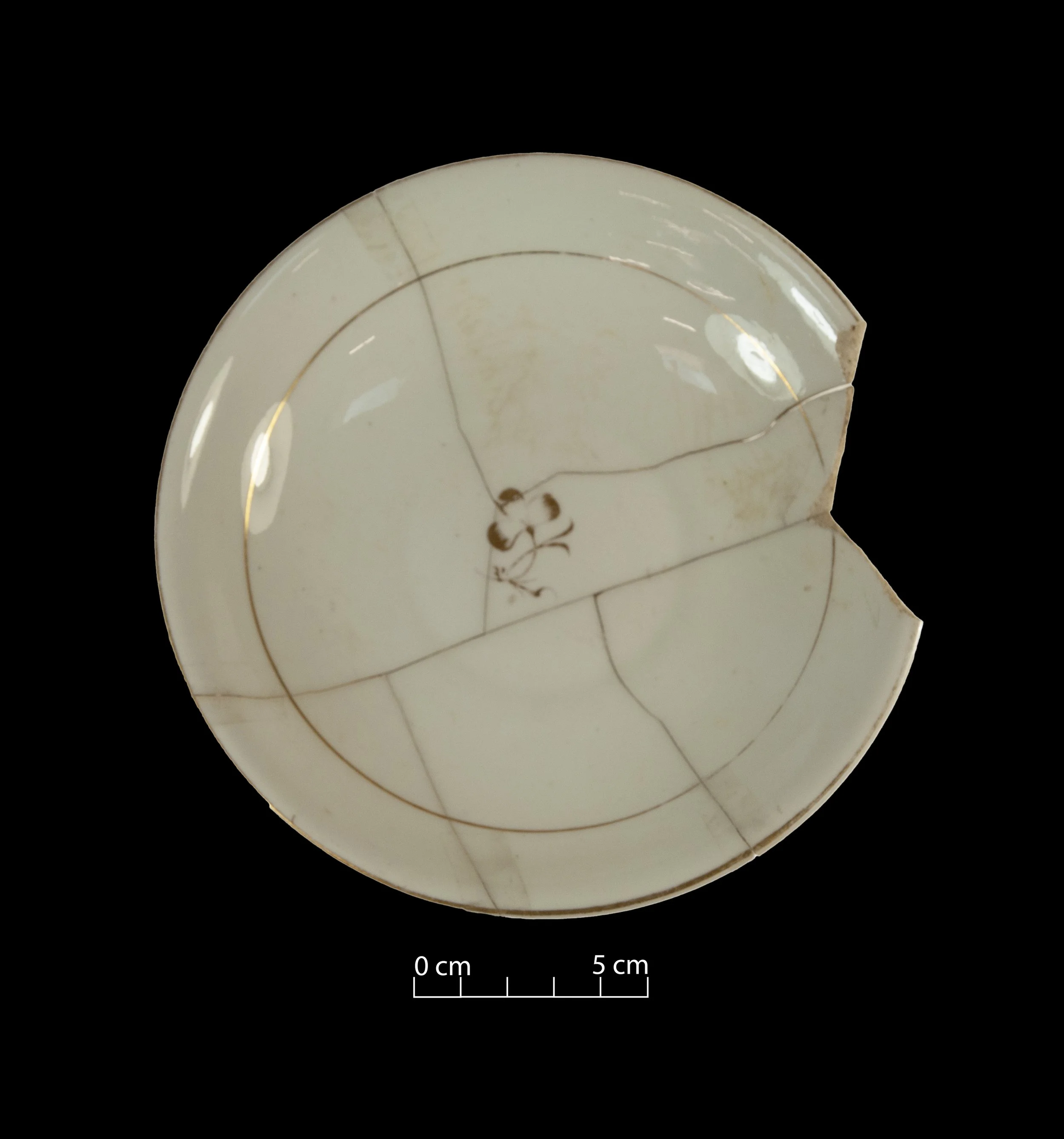
People ate off plates decorated with a range of patterns, with not much evidence for people owning matching dinner sets. Asiatic Pheasants was the most common pattern, and much more popular than the Willow or Rhine patterns (these three ceramic patterns were the most common in Christchurch, by a long way). There weren't a lot of fancy serving dishes, just the odd platter.
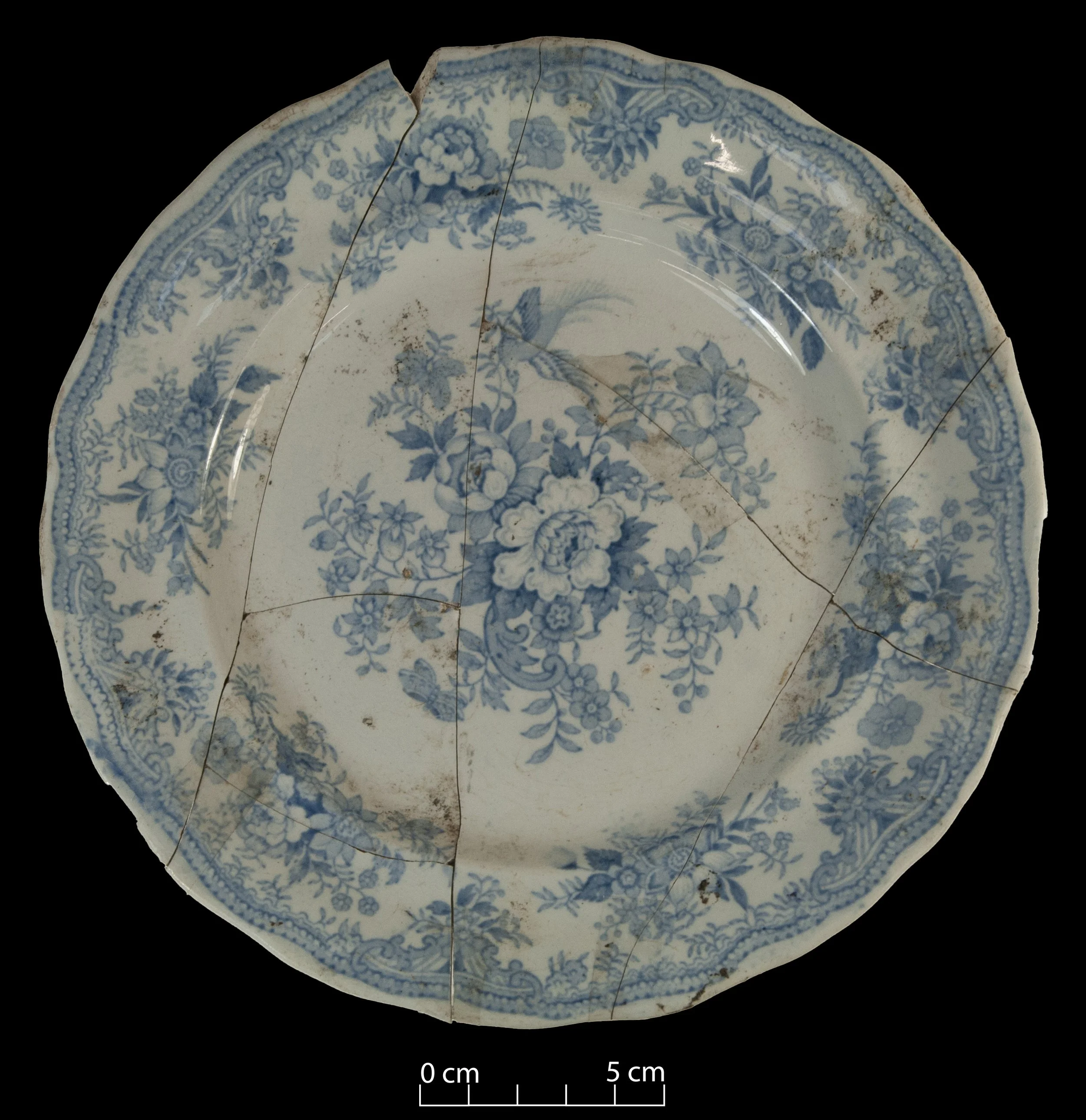
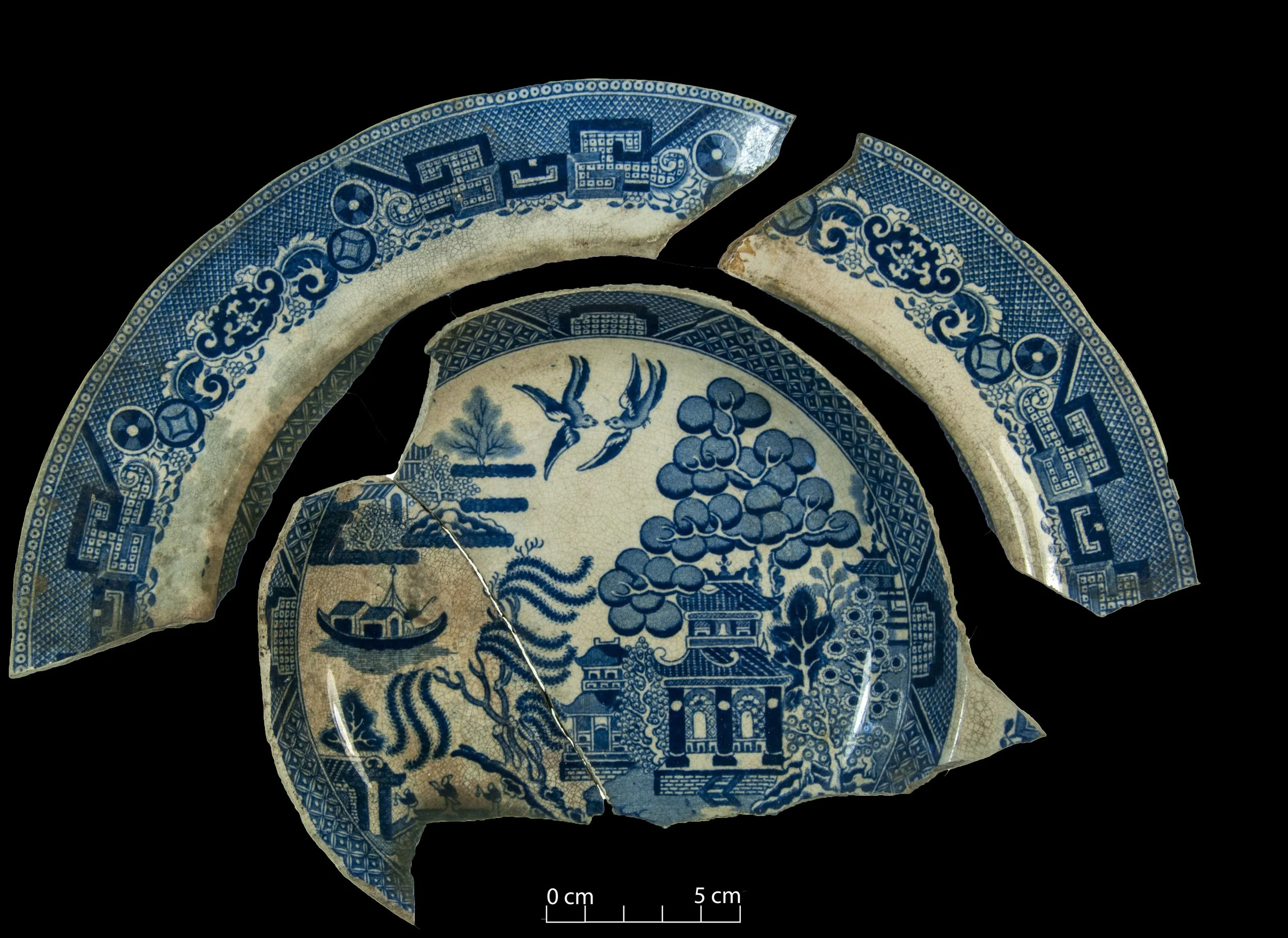
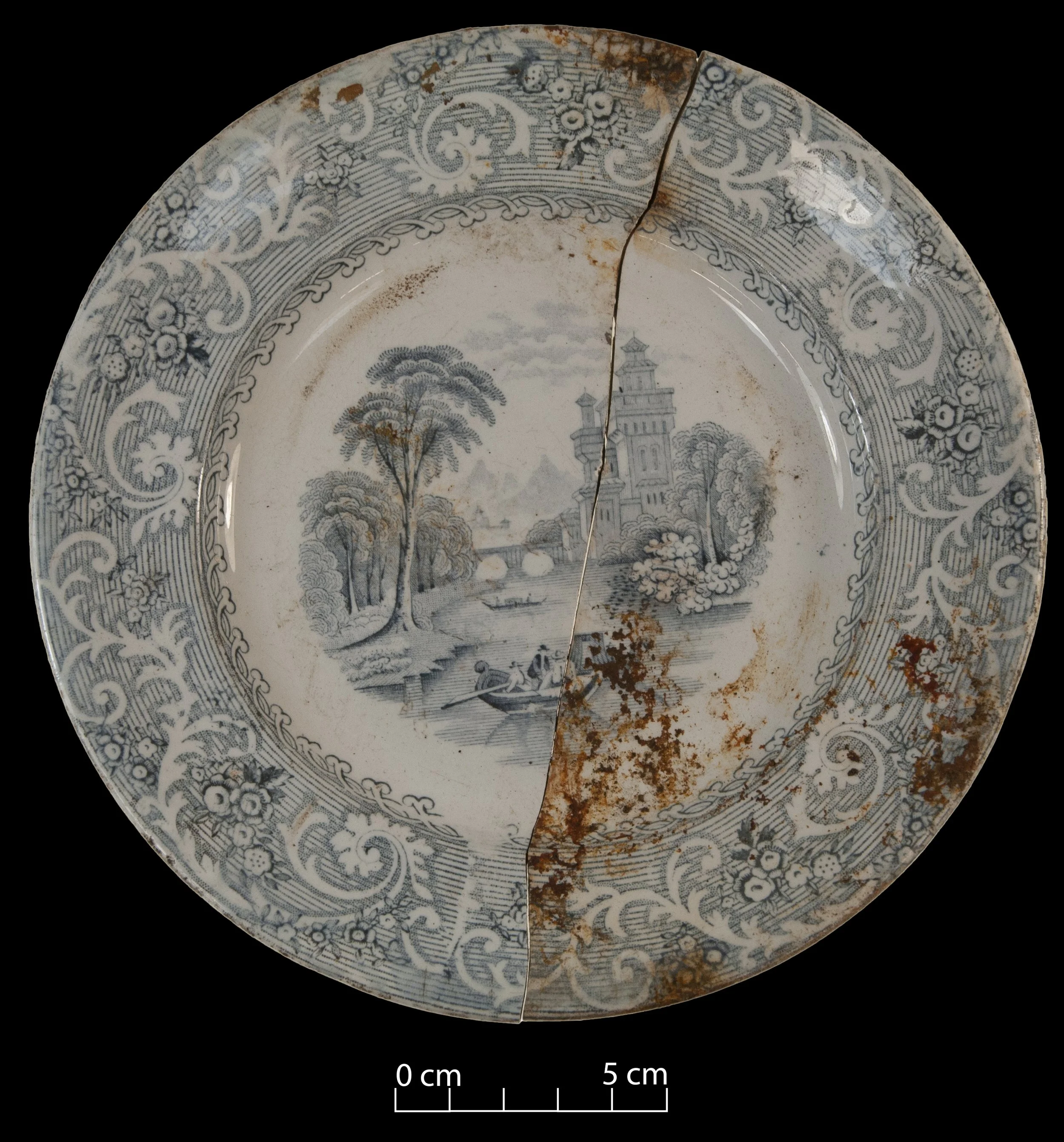
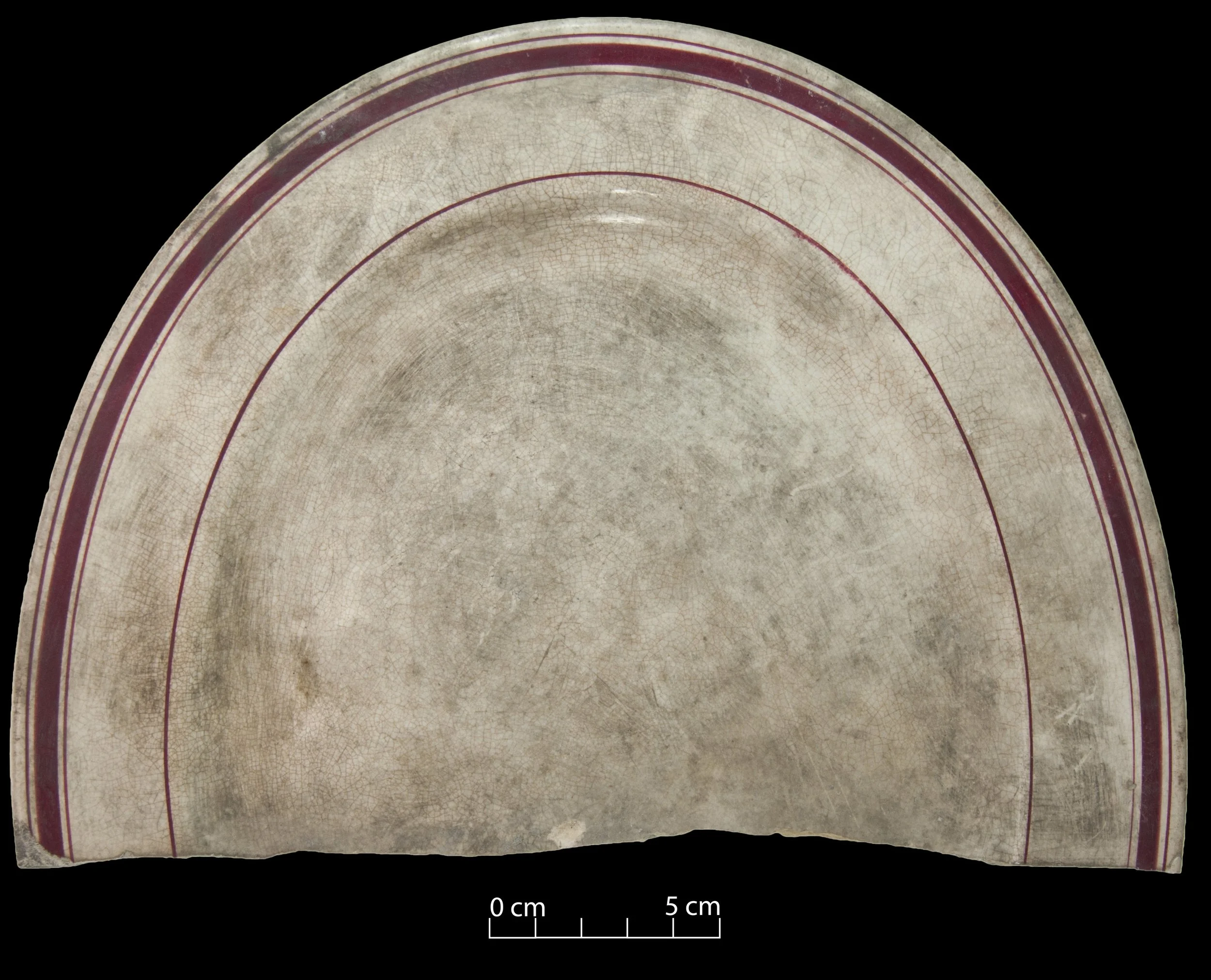
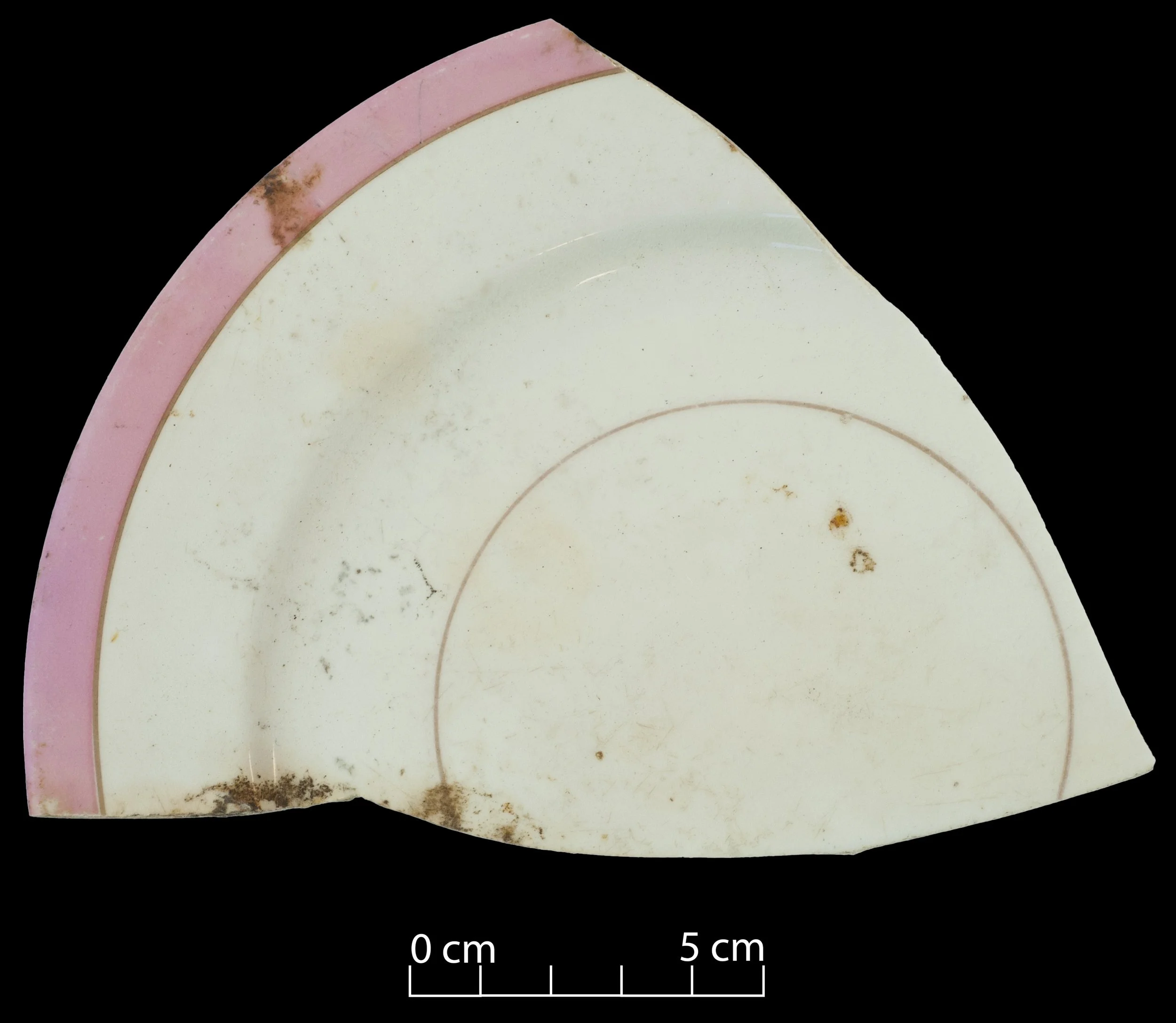
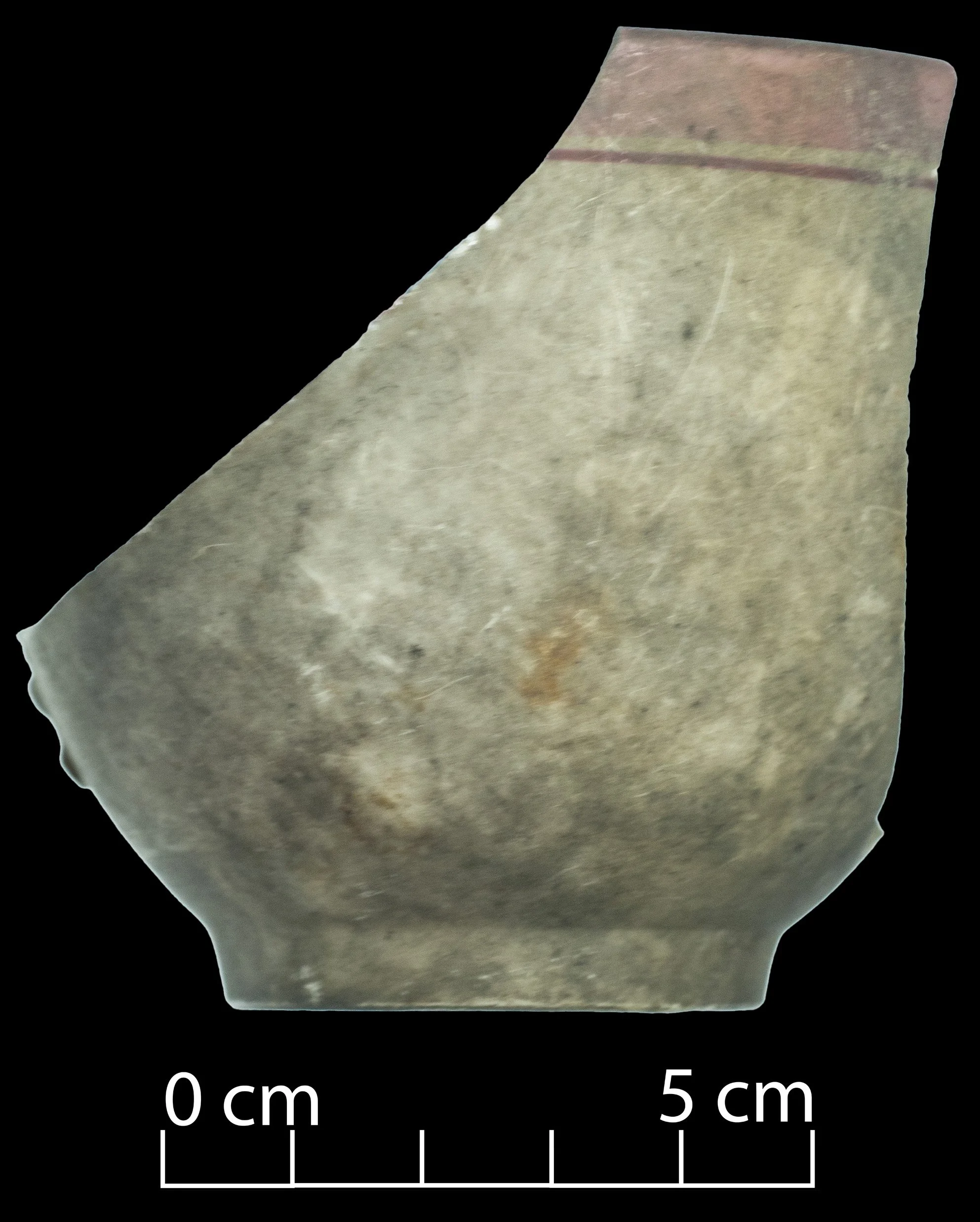
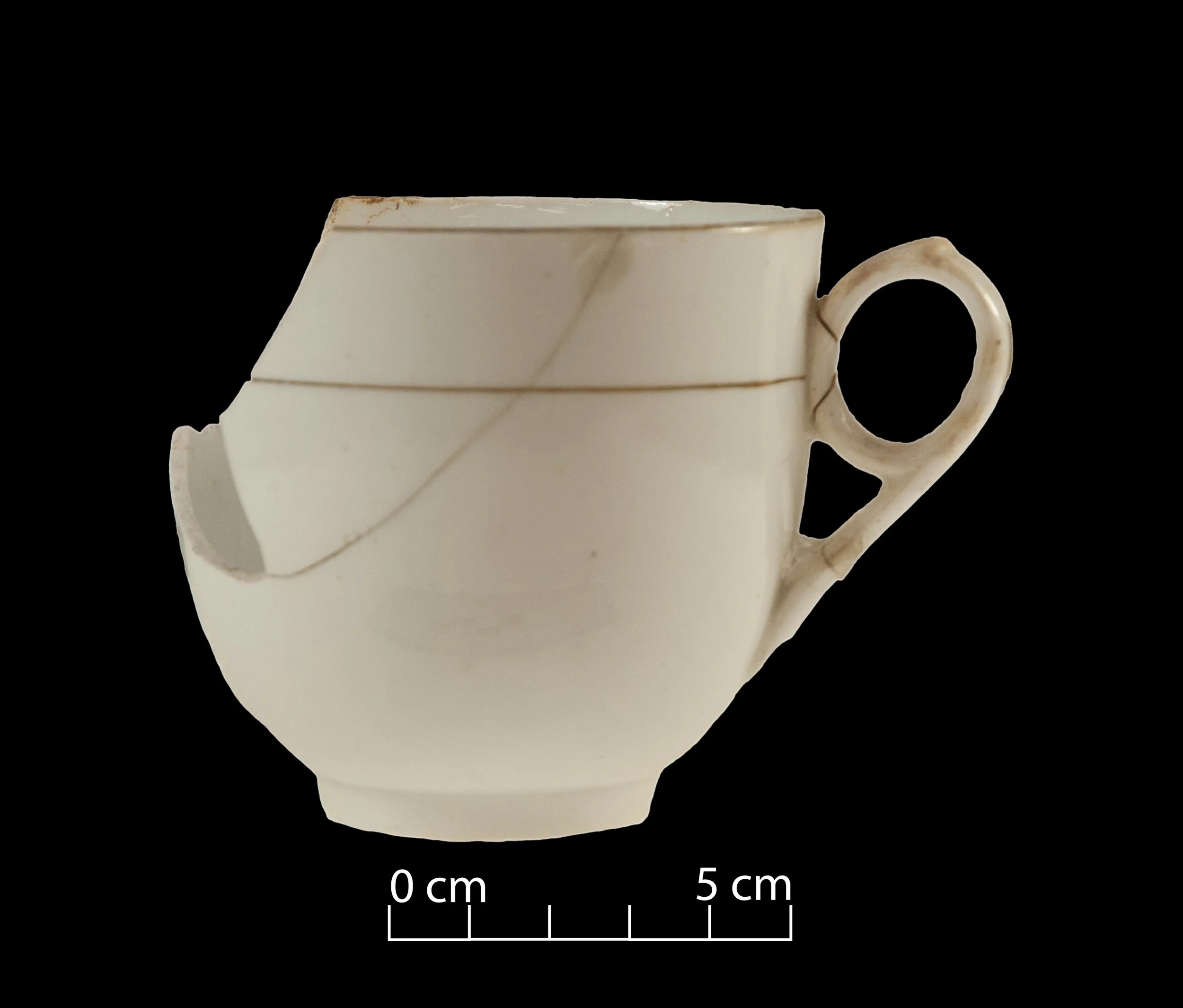
Some households had tea sets, generally in the gilt tea leaf pattern, but the residents of Cora Villa also had a pink and gilt tea set, while the Jensens had their mis-matched Greek key cups and saucers.
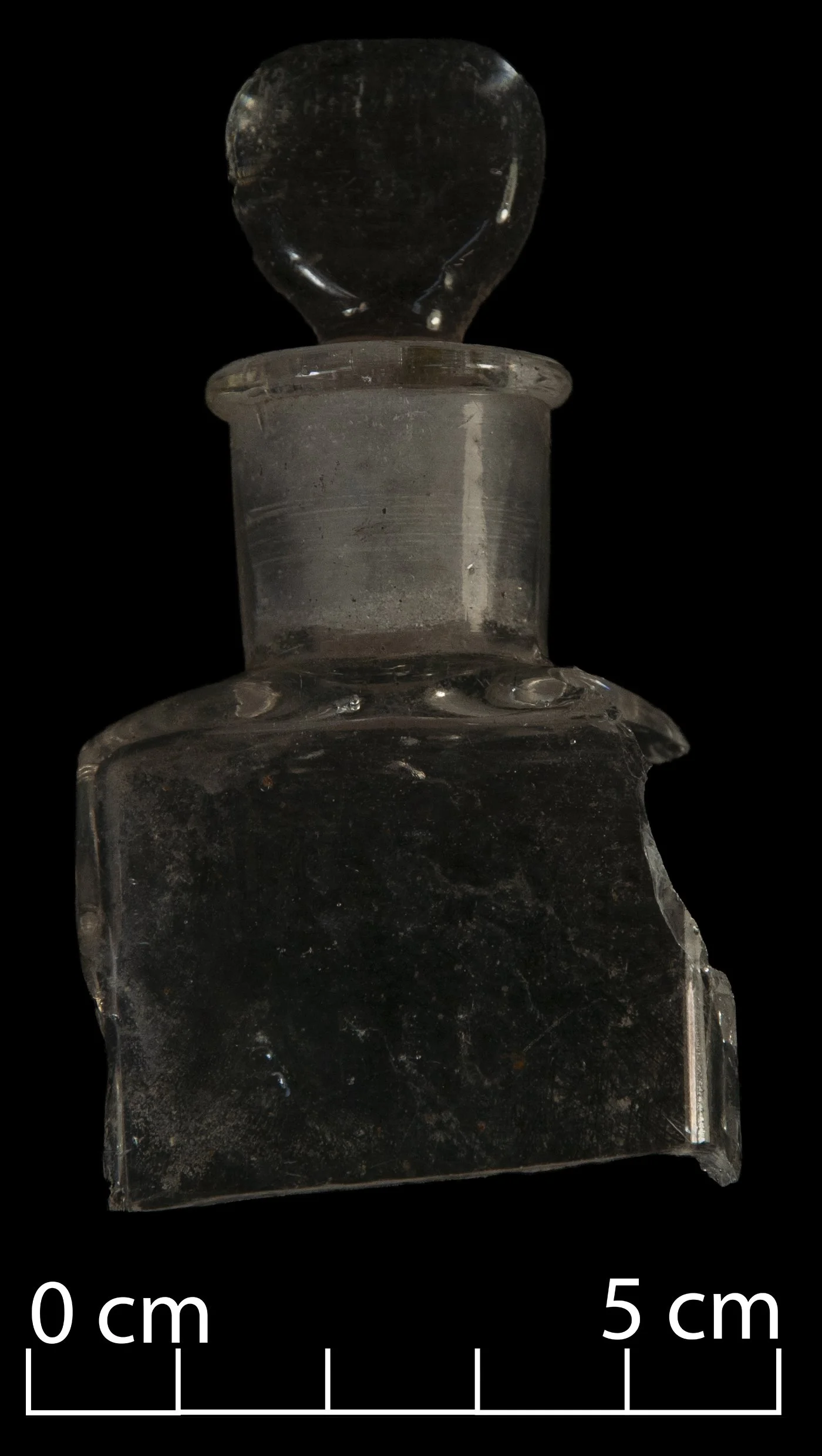
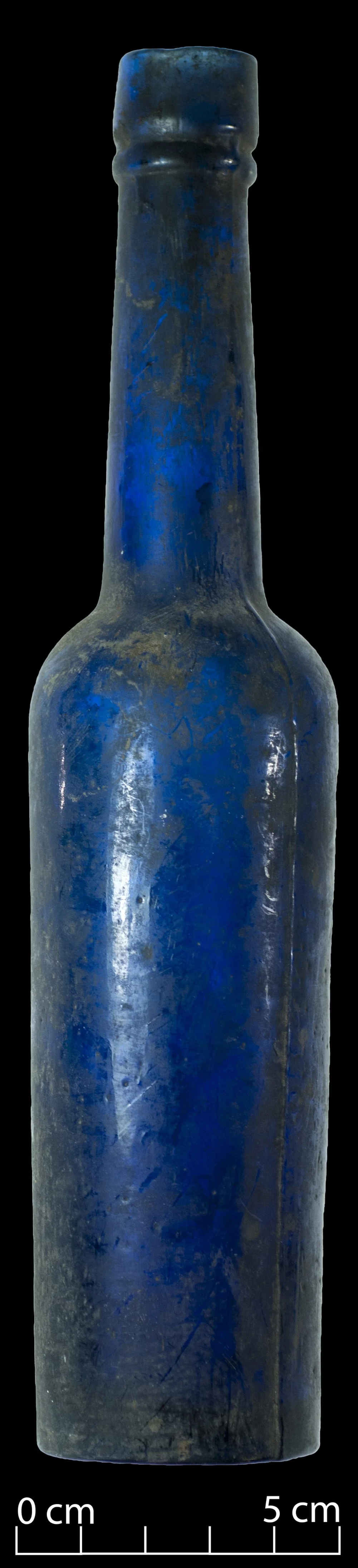
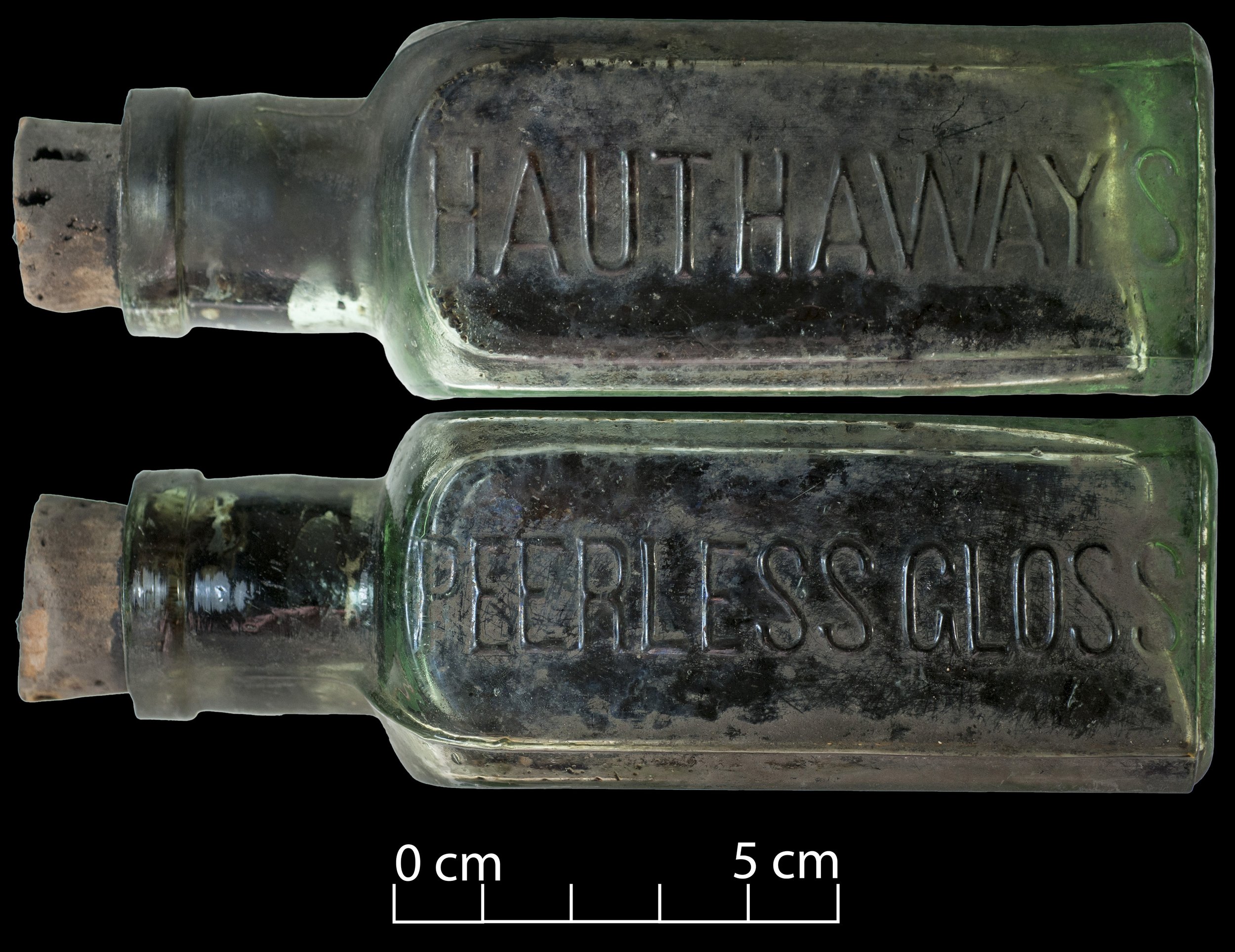
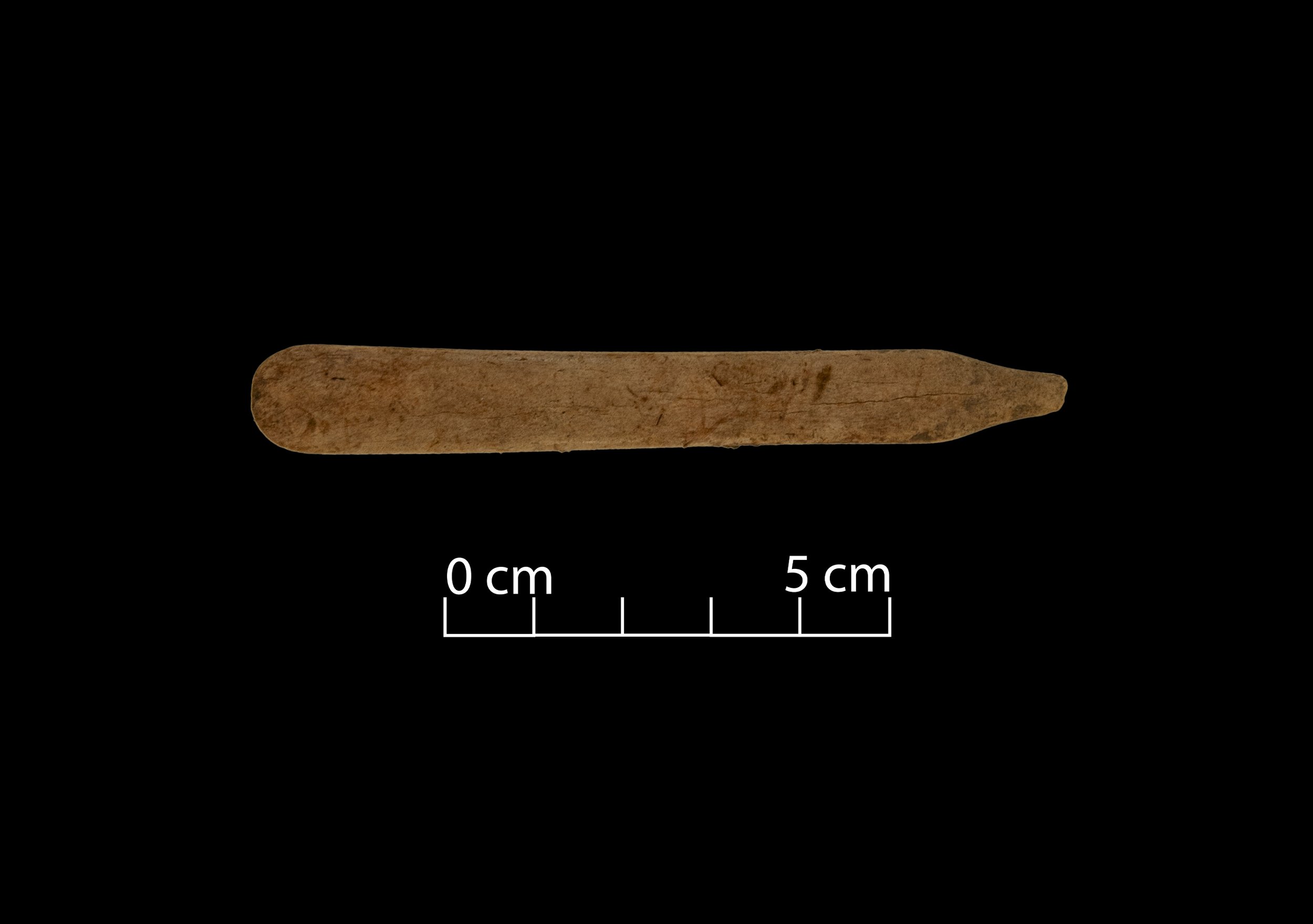
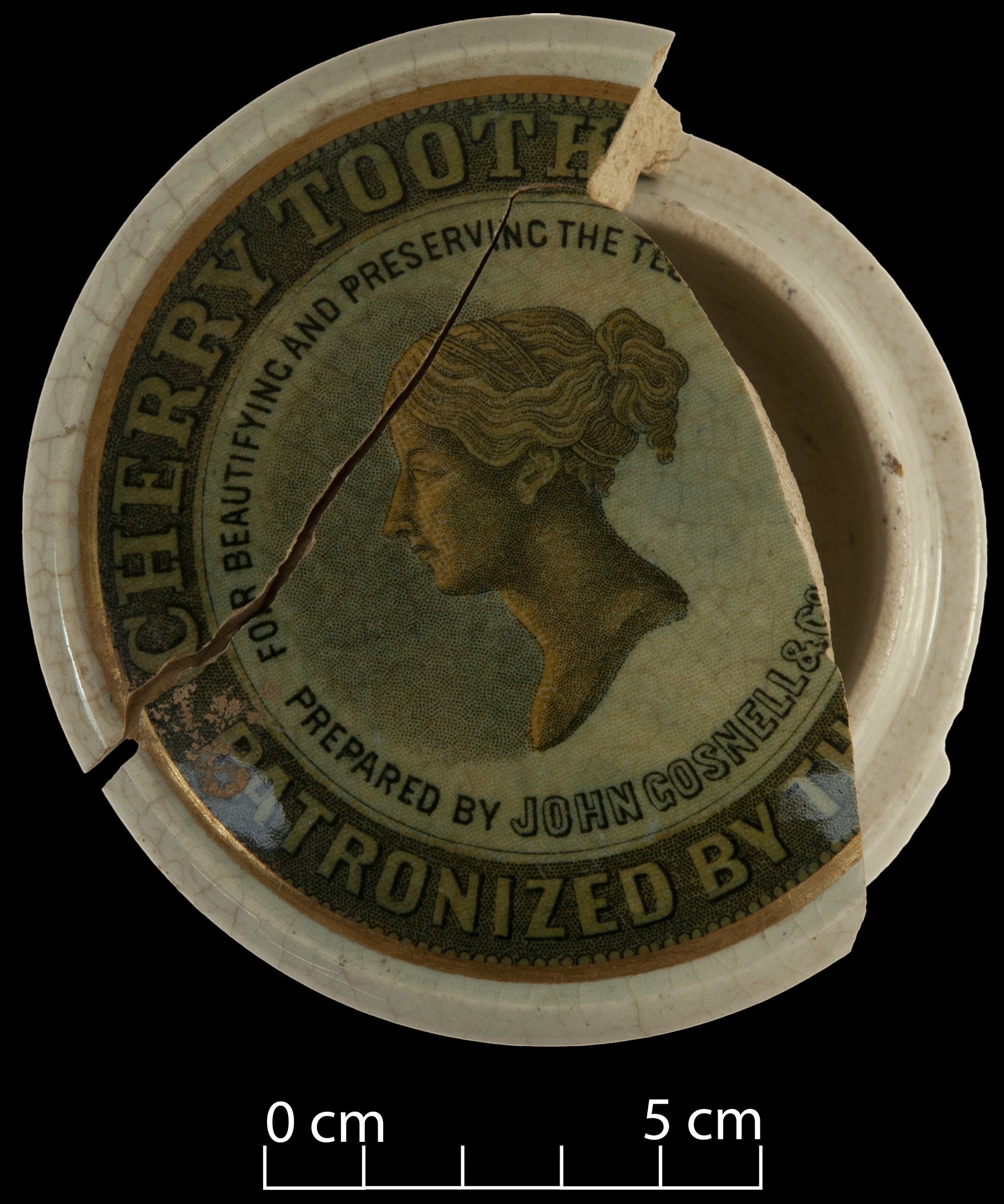
There weren't a lot of identifiable medicines, but castor oil was common (used primarily as a laxative or for digestive troubles). Barry's Tricopherous hair restorative was a popular product, suggesting concerns about hair loss... Piesse and Lubin perfume was found at a couple of houses. There wasn't much evidence of dental hygiene, with just one toothbrush found and one toothpaste pot (this isn't unusual for 19th century Christchurch), but the number of shoe gloss bottles indicate that people were taking good care of their shoes.
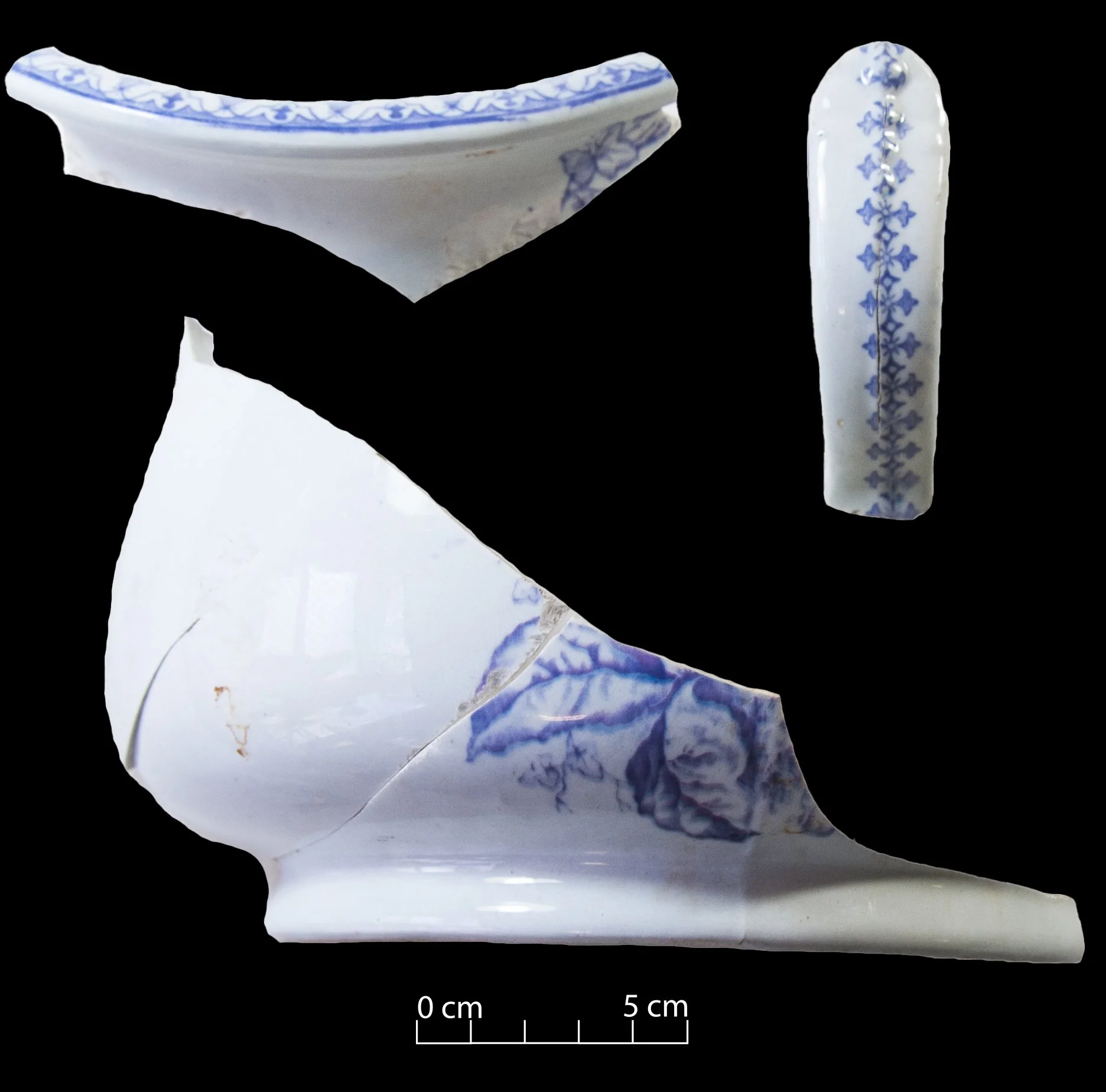
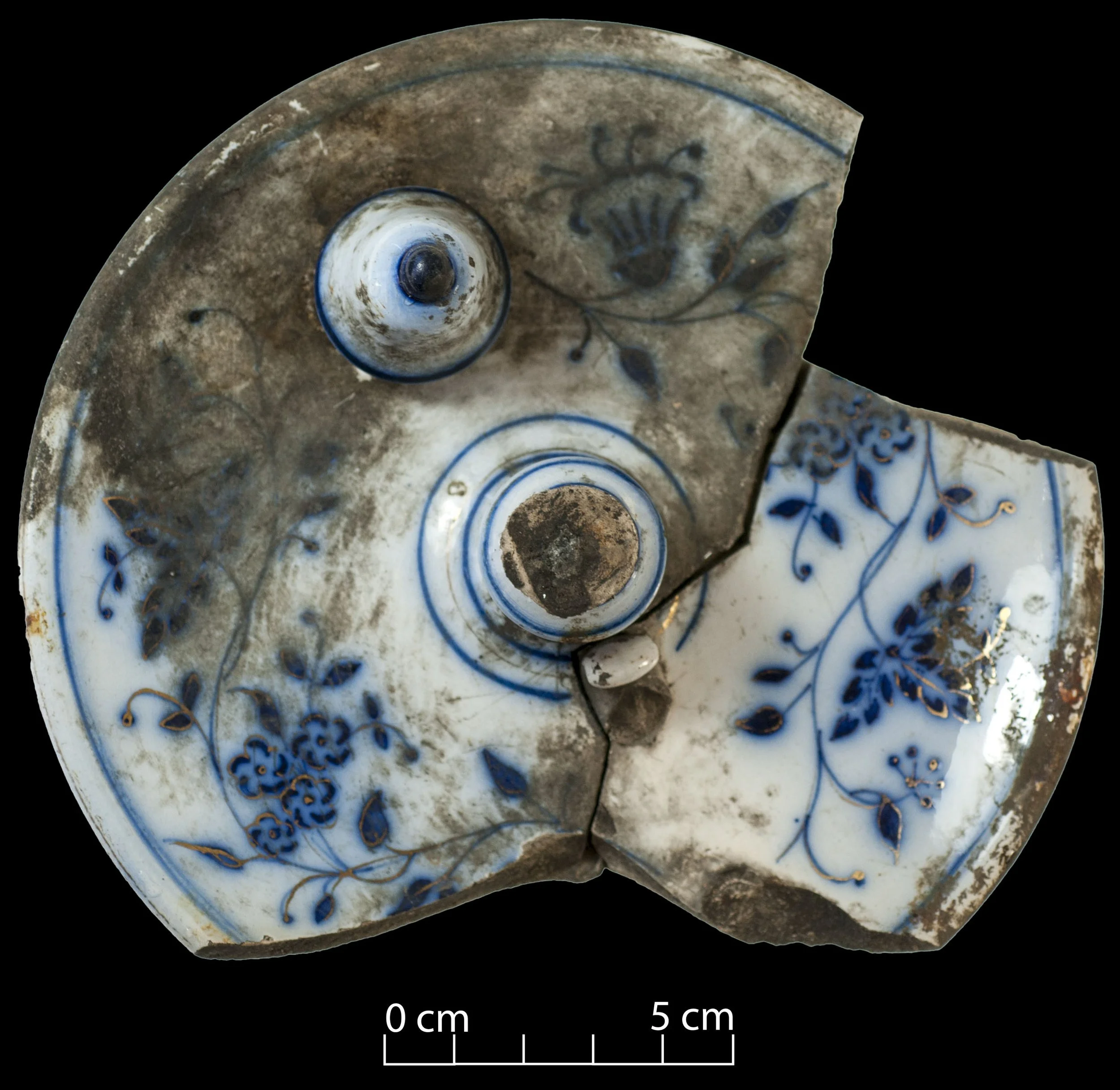
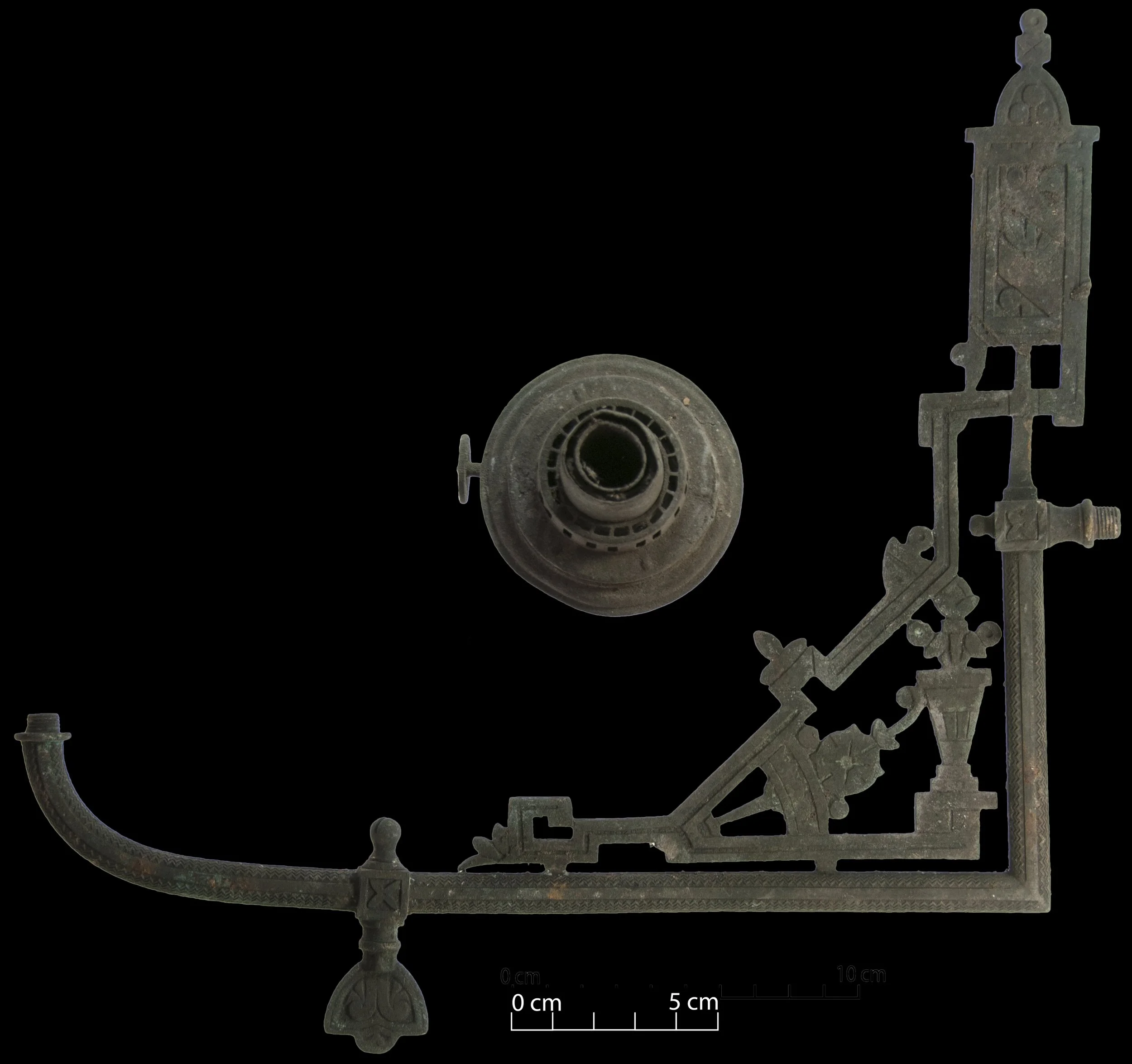
The chamber pots found remind us that these houses did not have internal flushing toilets, while the numerous lampshades, candlesticks, chambersticks and sconces reflect the use of candles and gas in the pre-electric era.
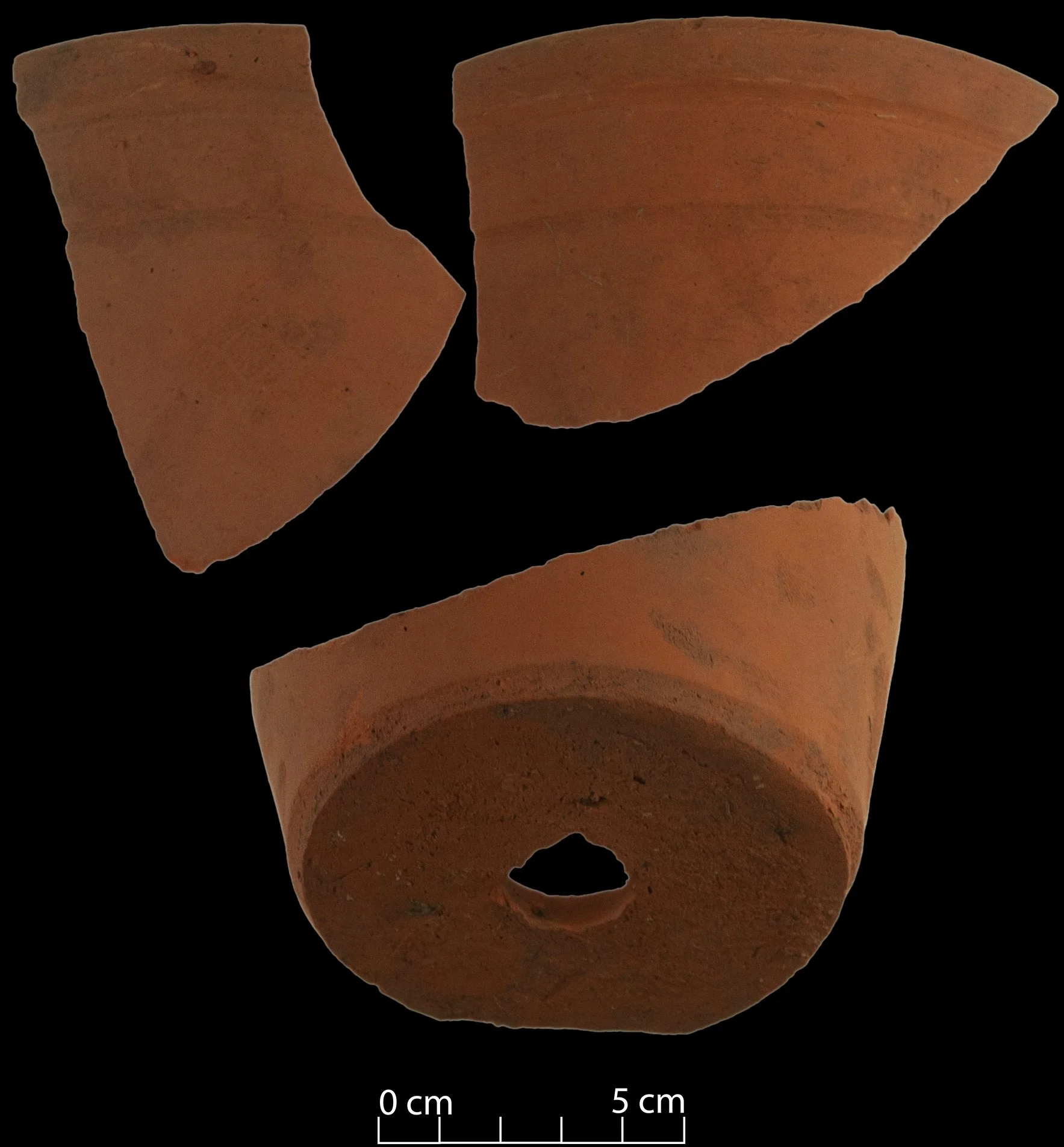
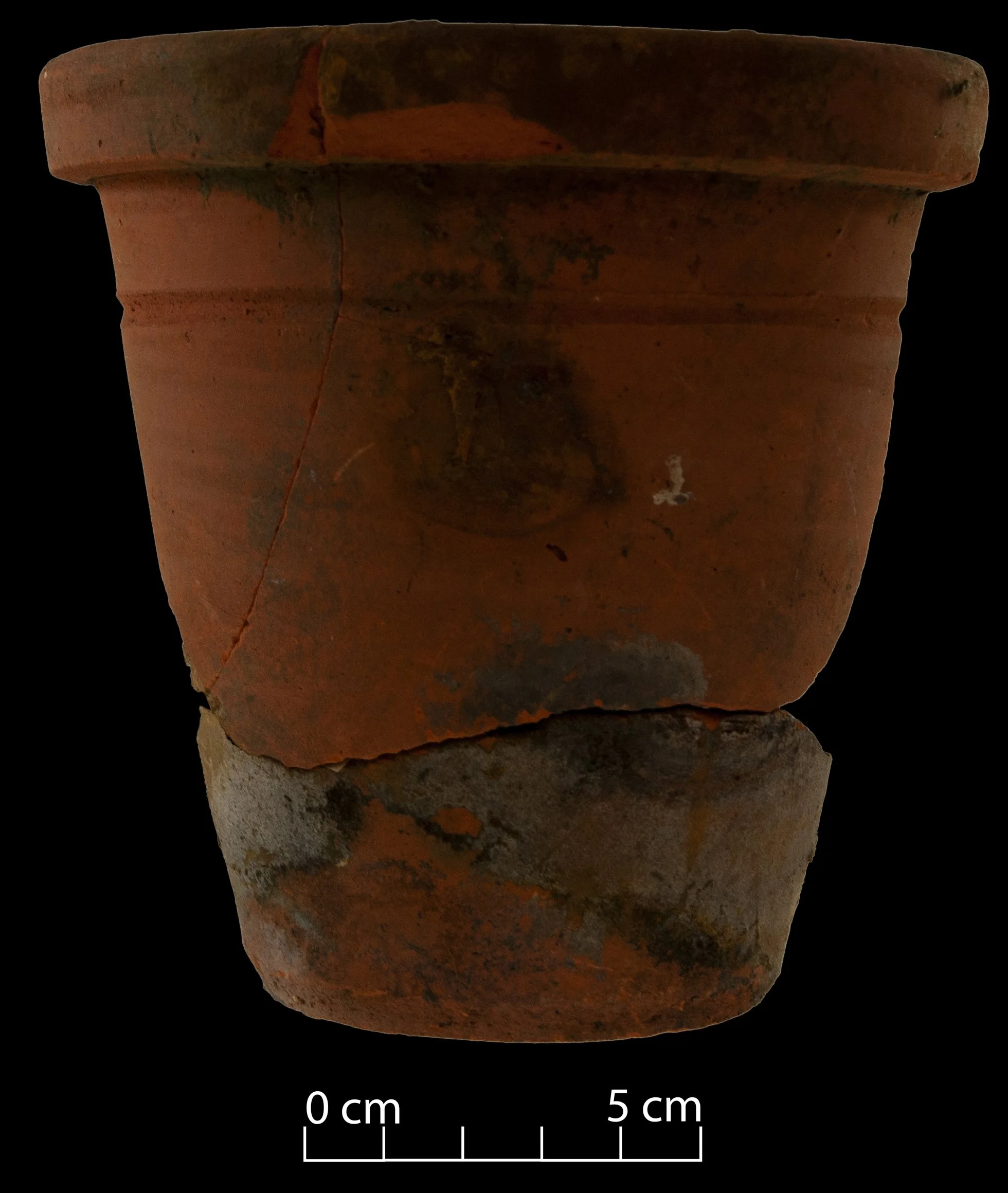
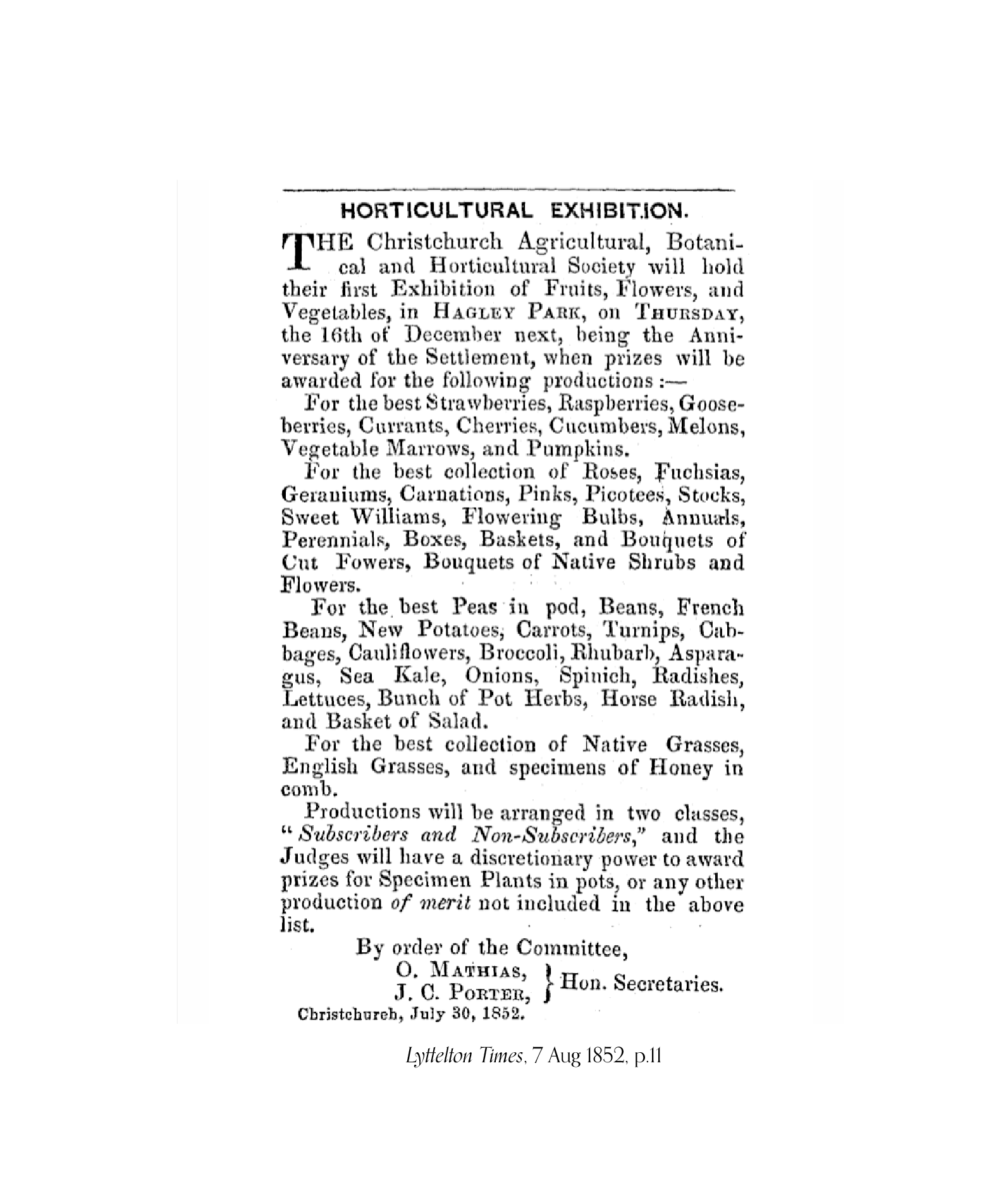
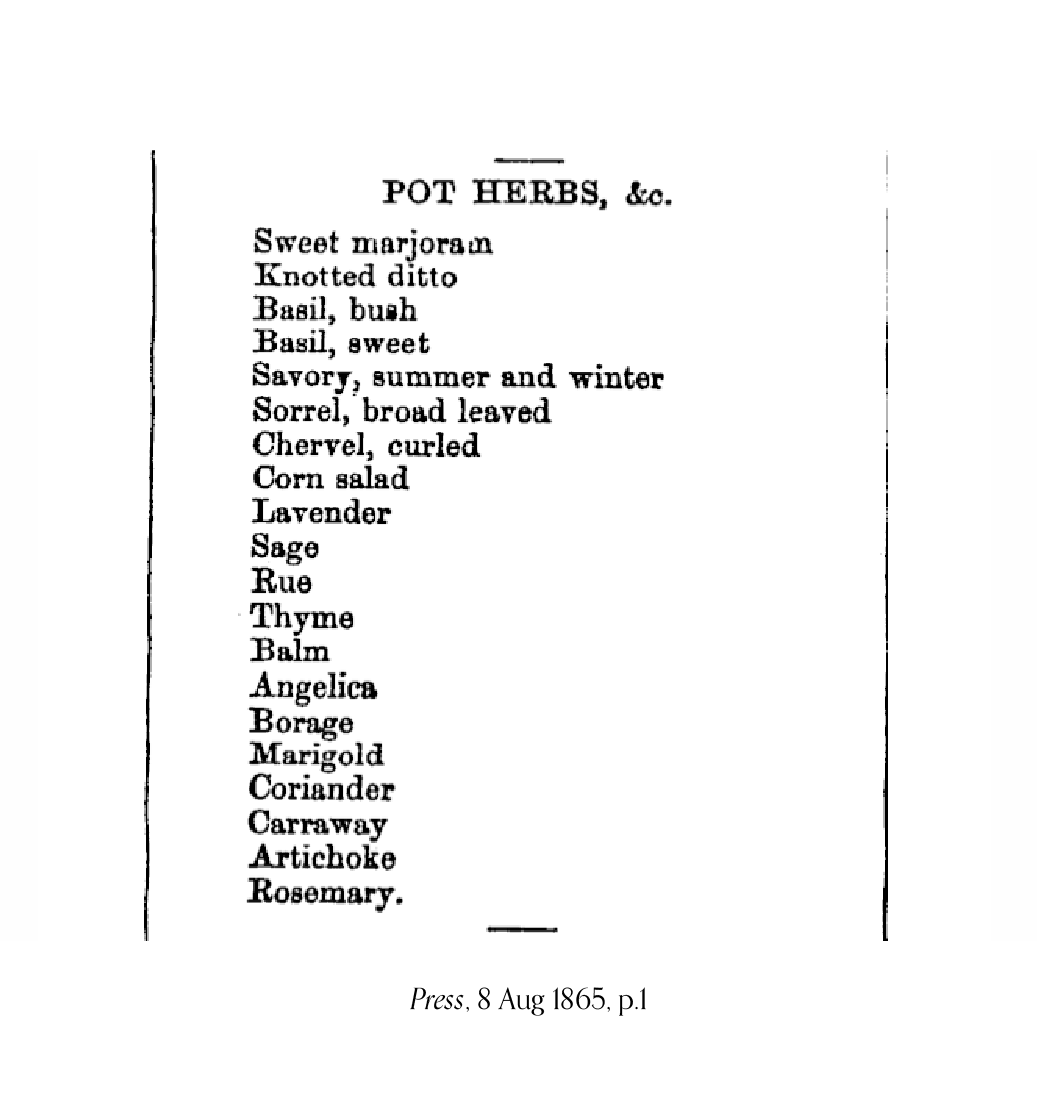
One of the more delightful finds was flower pots, which were found at several of the houses. Perhaps these were filled with cheerful geraniums? Or the more practical ‘pot herbs’?